
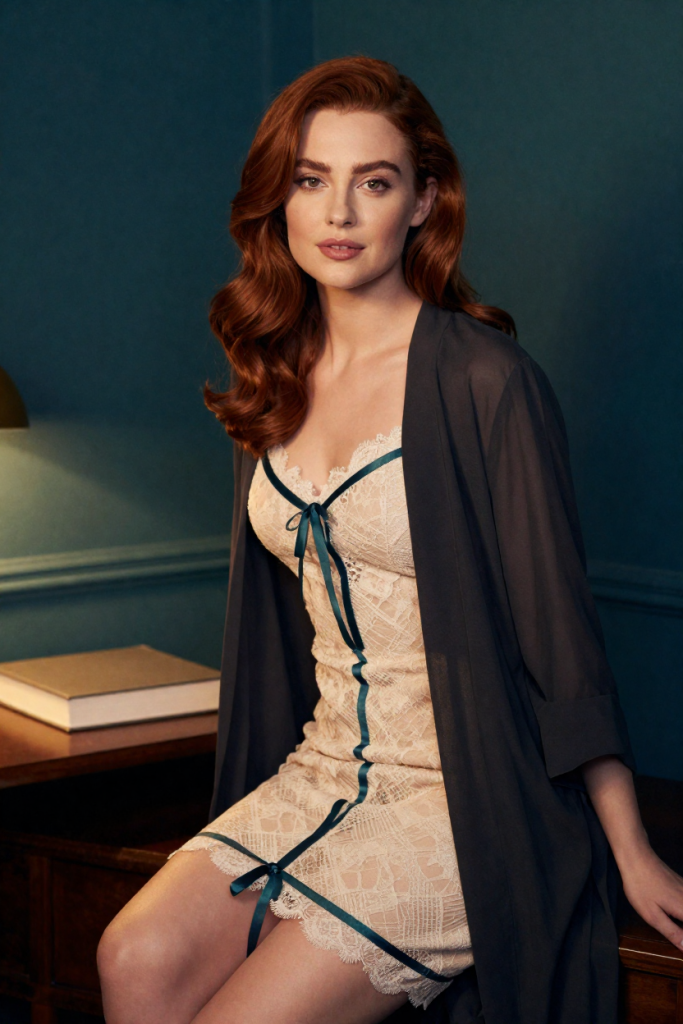
Every so often a visitor asks the shelf a question, expecting the volumes to open. They do not, and the refusal is the point of the furniture: this studio is a place where fictional people are made, not a place where the world is explained. Keeping the volumes closed keeps the desk’s one promise — that everything published here is the studio’s own work, about its own characters, judged against its own written record.
The closed volumes shape the economics as well. Nothing is spent maintaining an appearance of knowledge: no articles of fact, no public editing, no reference apparatus. The budget goes where the work is — standard frames at 6 credits to prove a character, premium and finishing money only on frames that earned it.
What the shelf does hold open is method. The entry is read at every tool, the judging order never changes, and the day’s line is the only thing ever revised. A maker who learns those three habits can hold a character for a season; a maker who waits for the volumes to open learns nothing.
The volume stays closed so the entry can stay open — read at every job, word for word, until the woman in the frames is unmistakably the woman on the card.